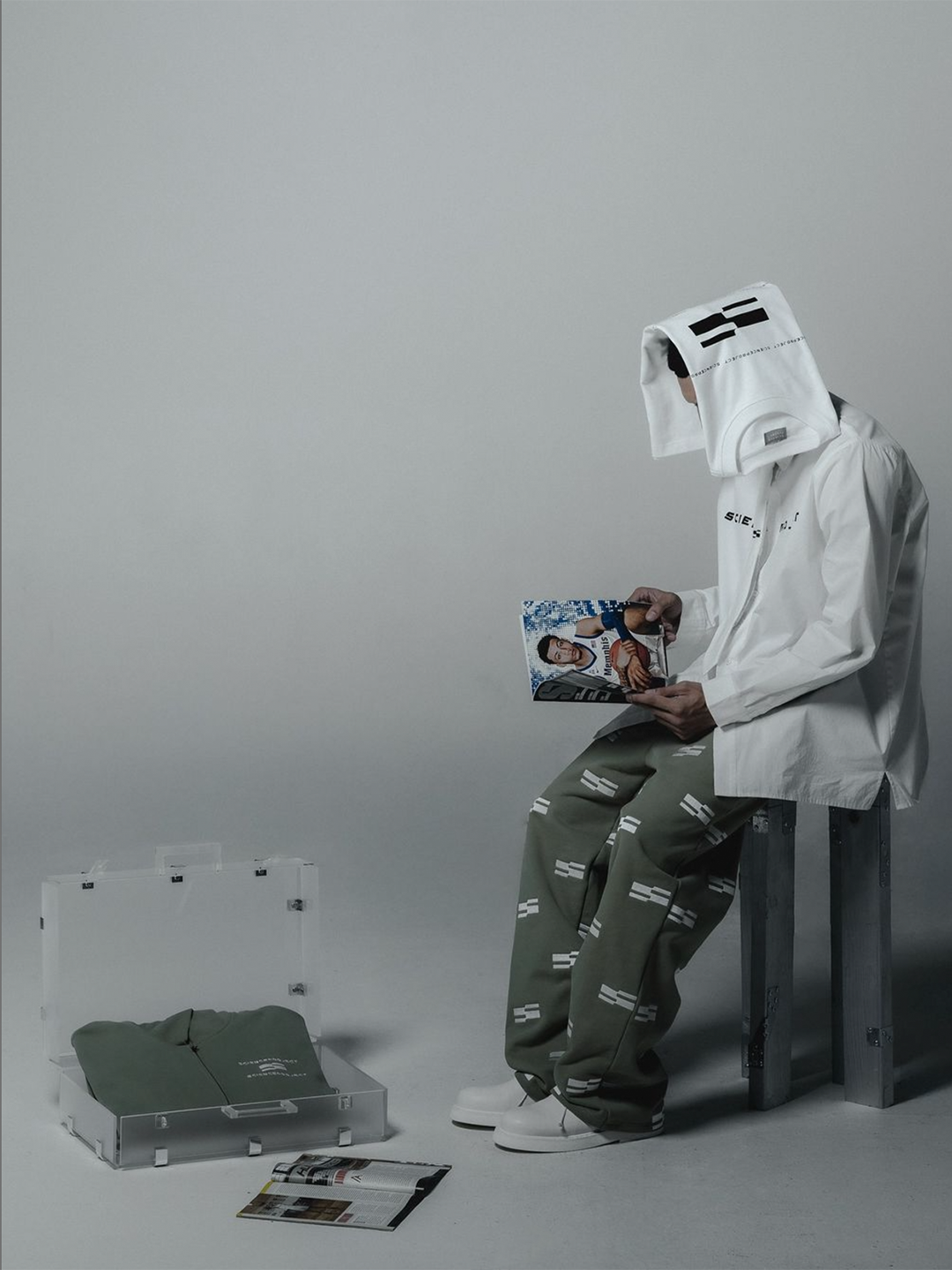
Science Project Company: A System for SPC
Some of the strongest creative partnerships are built over time.
Our relationship with Science Project has never been defined by a single project, but by an ongoing exchange of ideas. Across product design, custom fabrication, and spatial environments, we've worked together to create objects that balance utility with identity—designs that solve real-world problems while reinforcing the brand's evolving visual language.
Guided by a shared appreciation for honest materials, modular construction, and thoughtful engineering, every project becomes an opportunity to experiment, refine, and build something lasting. The modular display system featured in this case study represents one chapter in that collaboration, reflecting a design process rooted as much in conversation as it is in construction.
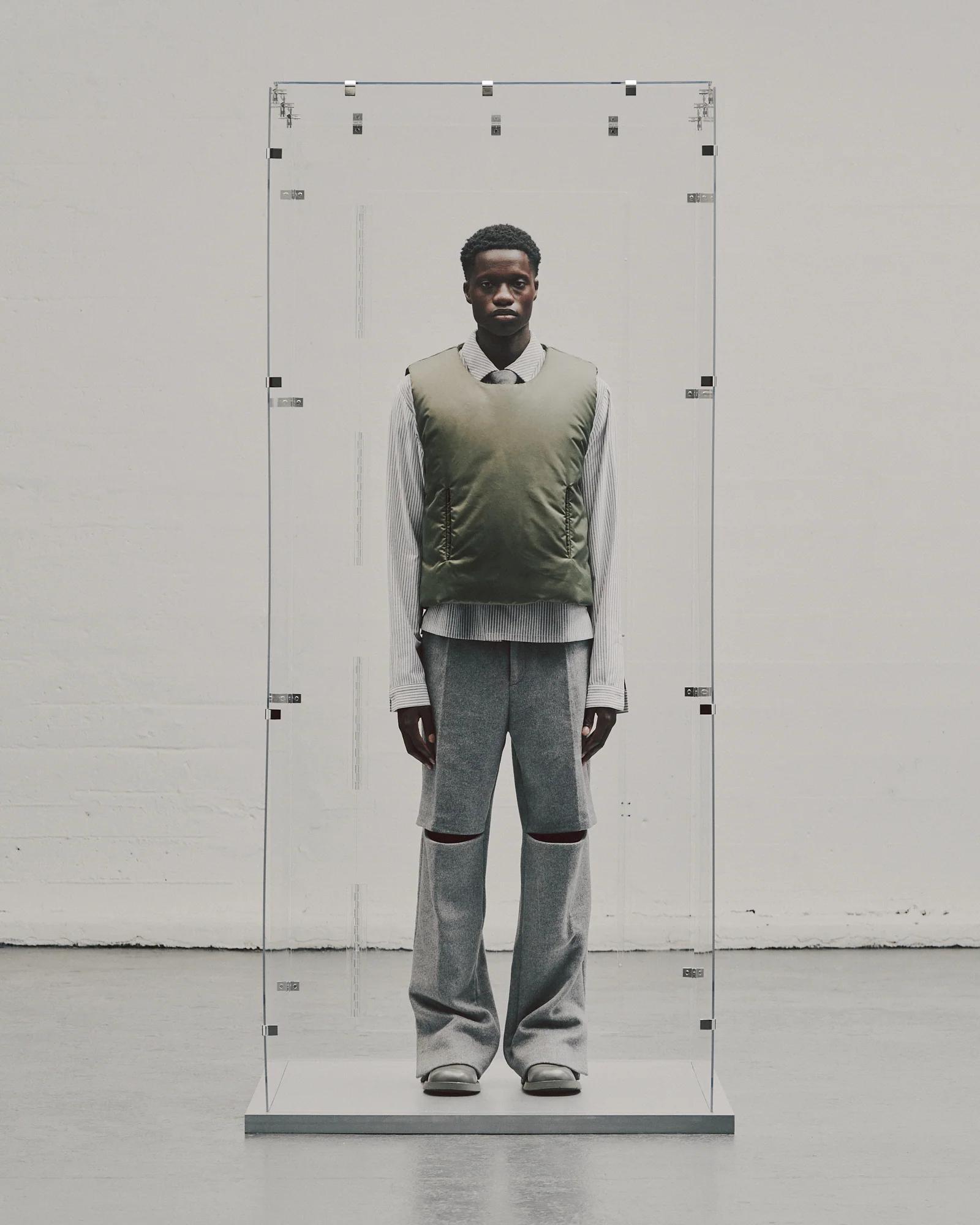
Set installations often become expensive one-time builds. Large structures require specialized labor, complicated assembly, and are difficult to transport once an event concludes.
The challenge was to design an entire display system that balanced aesthetics with logistics.
Every decision had to answer multiple questions:
- Could it be shipped safely across country?
- Could it be assembled quickly on site?
- Could every component collapse for transportation?
- Could the structure remain visually striking while using readily available materials?
- Could the entire system be built without relying on power tools during installation?
Rather than separating client and designer, the process became a conversation. Concepts were constantly refined through testing, discussion, and prototyping until every component served both a functional and visual purpose.
The result wasn't simply designed for Science Project it was designed alongside them.
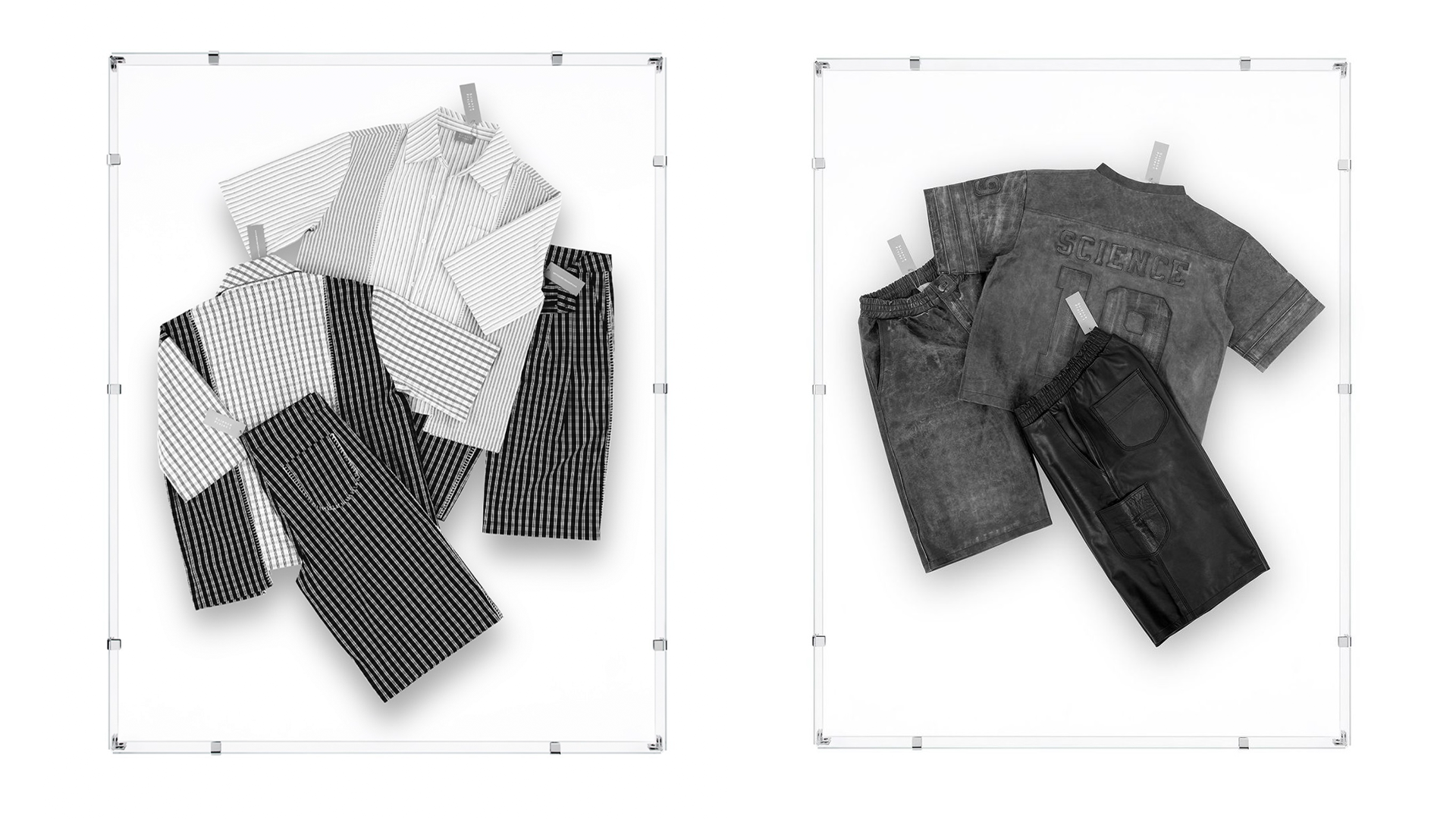
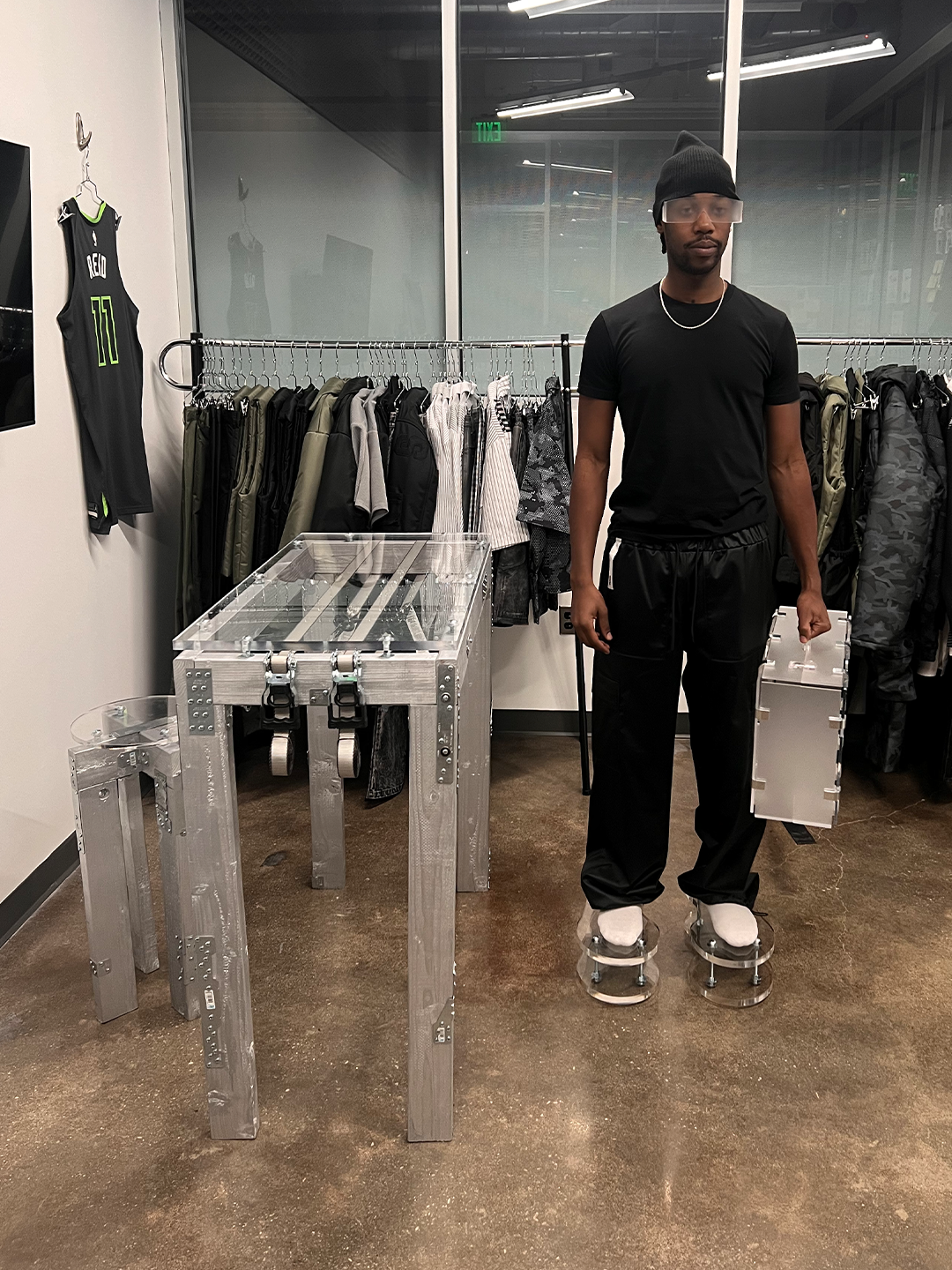
The visual identity of the installation comes from restraint.
Instead of relying on decorative finishes, the design embraces industrial materials in their raw form.
- Steel and Aluminum
- Clear acrylic (plexiglass)
- Natural wood
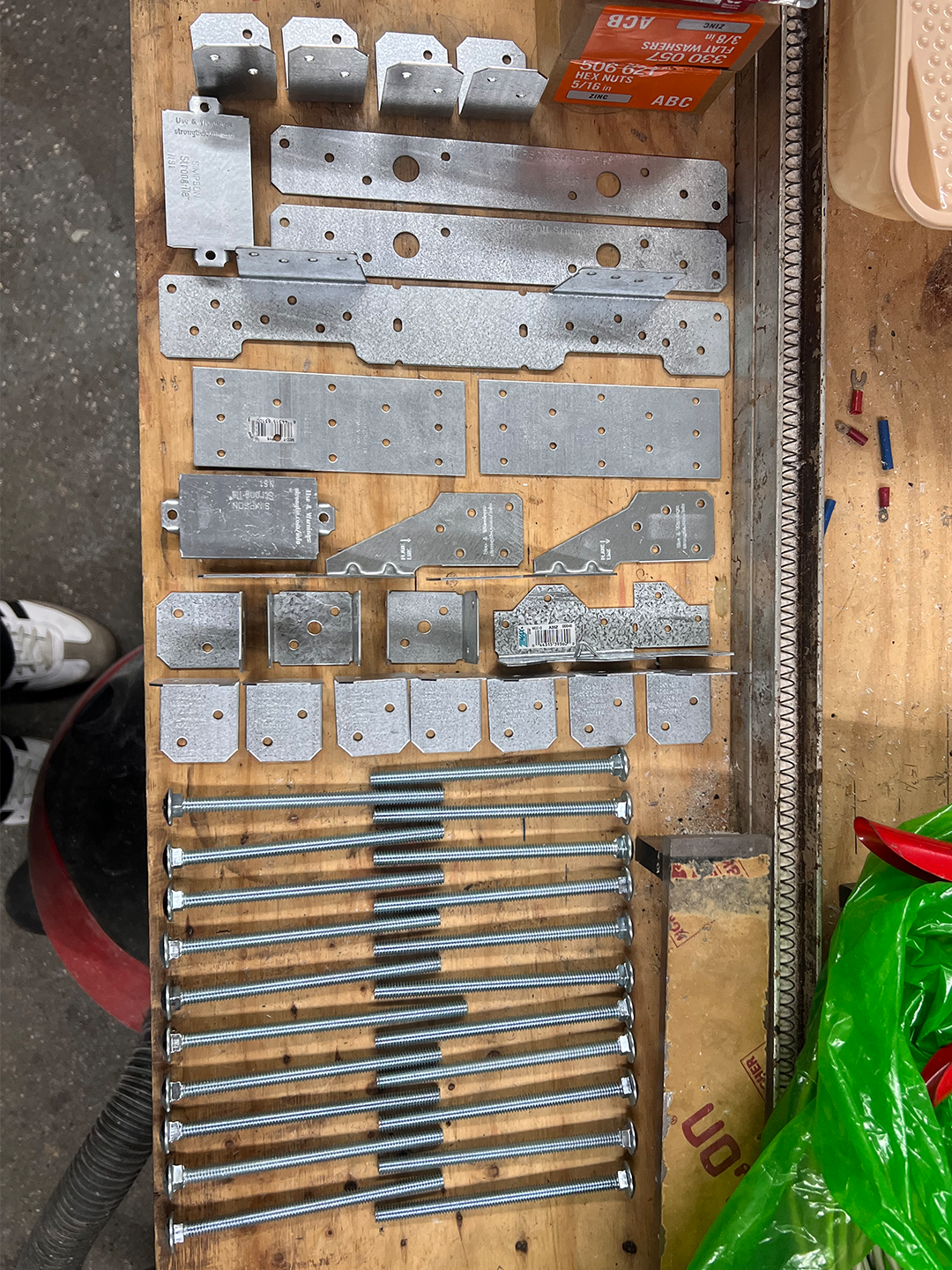
- Standardized hardware
These materials create transparency, structure, and precision while allowing the products themselves to remain the primary focus.
Nothing feels hidden.
Every fastener, joint, hinge, and connection becomes part of the visual language.
One of the defining goals of the project was simplicity.
Every object was designed as a modular assembly that could be broken down into flat components and reconstructed using basic hand tools.
- No power tools.
- No permanent fasteners.
- No specialized installation crew.
This approach dramatically reduced setup complexity while making every piece reusable for future exhibitions.
Each component was intentionally designed to collapse into a compact footprint without sacrificing structural integrity once assembled.
Developing the installation extended beyond the studio.
During fabrication, Research Design Agency traveled to Pennsylvania to source and collect specialized materials and hardware required to complete the system.
Every trip, prototype, and revision informed the final construction, ensuring each piece met both aesthetic expectations and practical requirements before shipment.
Once completed, the entire system was packaged and shipped from New Jersey to ComplexCon in Las Vegas.
Because each object was designed to collapse into transport-friendly dimensions, shipping became an integrated part of the design rather than an obstacle to overcome.
Upon arrival, the installation could be assembled efficiently, transforming compact packages into a fully realized retail environment.
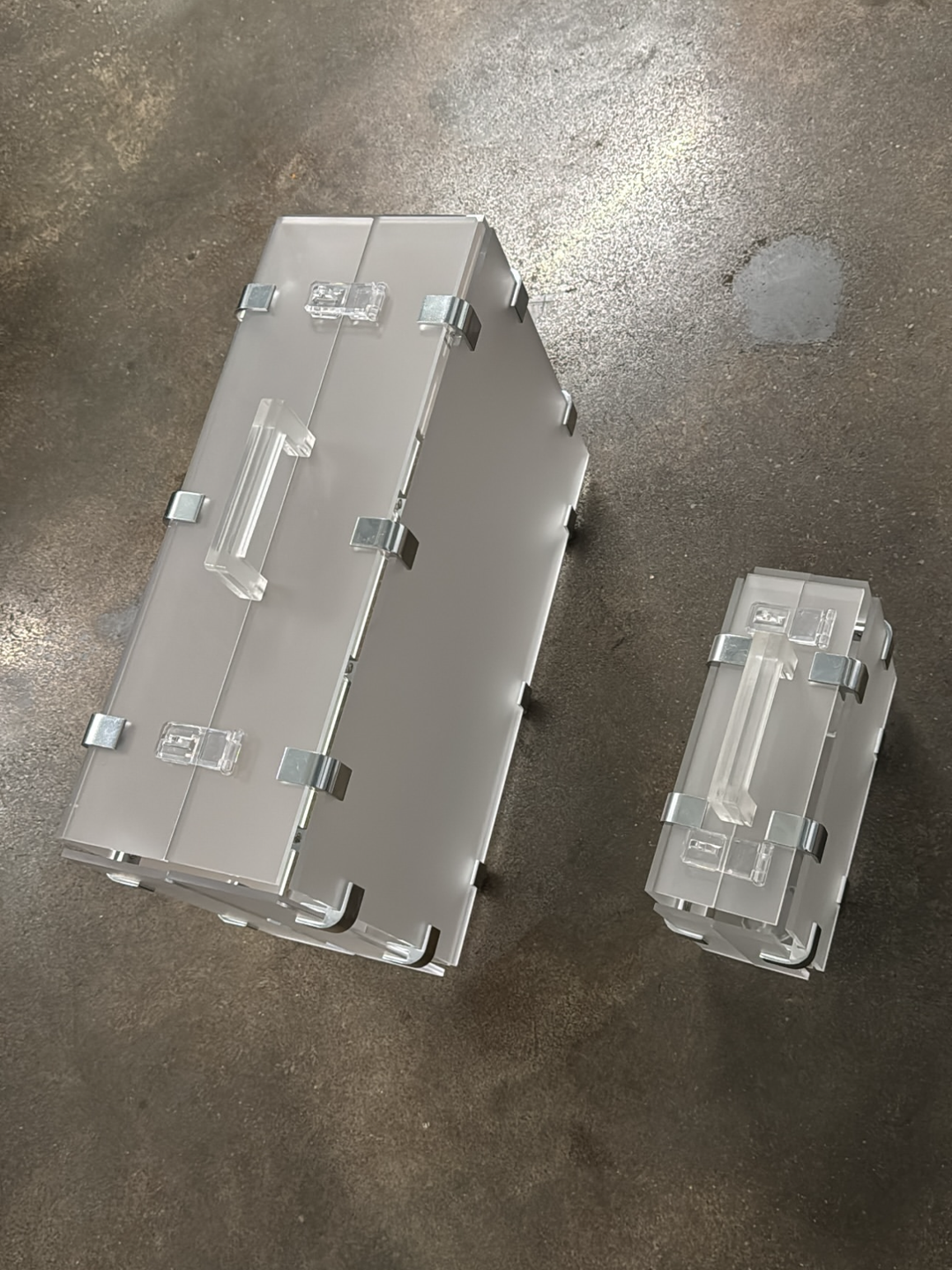
The completed installation extends beyond display furniture.
The transparent acrylic surfaces create visual lightness while the exposed steel structure introduces weight and permanence. Together they establish a balance between utility and experimentation that reflects Science Project's design philosophy.
Each object shares the same construction language, creating a cohesive system rather than a collection of individual pieces.
The project demonstrates how thoughtful industrial design can solve practical challenges without compromising visual identity.
By combining modular engineering, material honesty, and collaborative design, we delivered an exhibition system capable of traveling across the country, assembling without specialized equipment, and adapting for future use long after ComplexCon concluded.